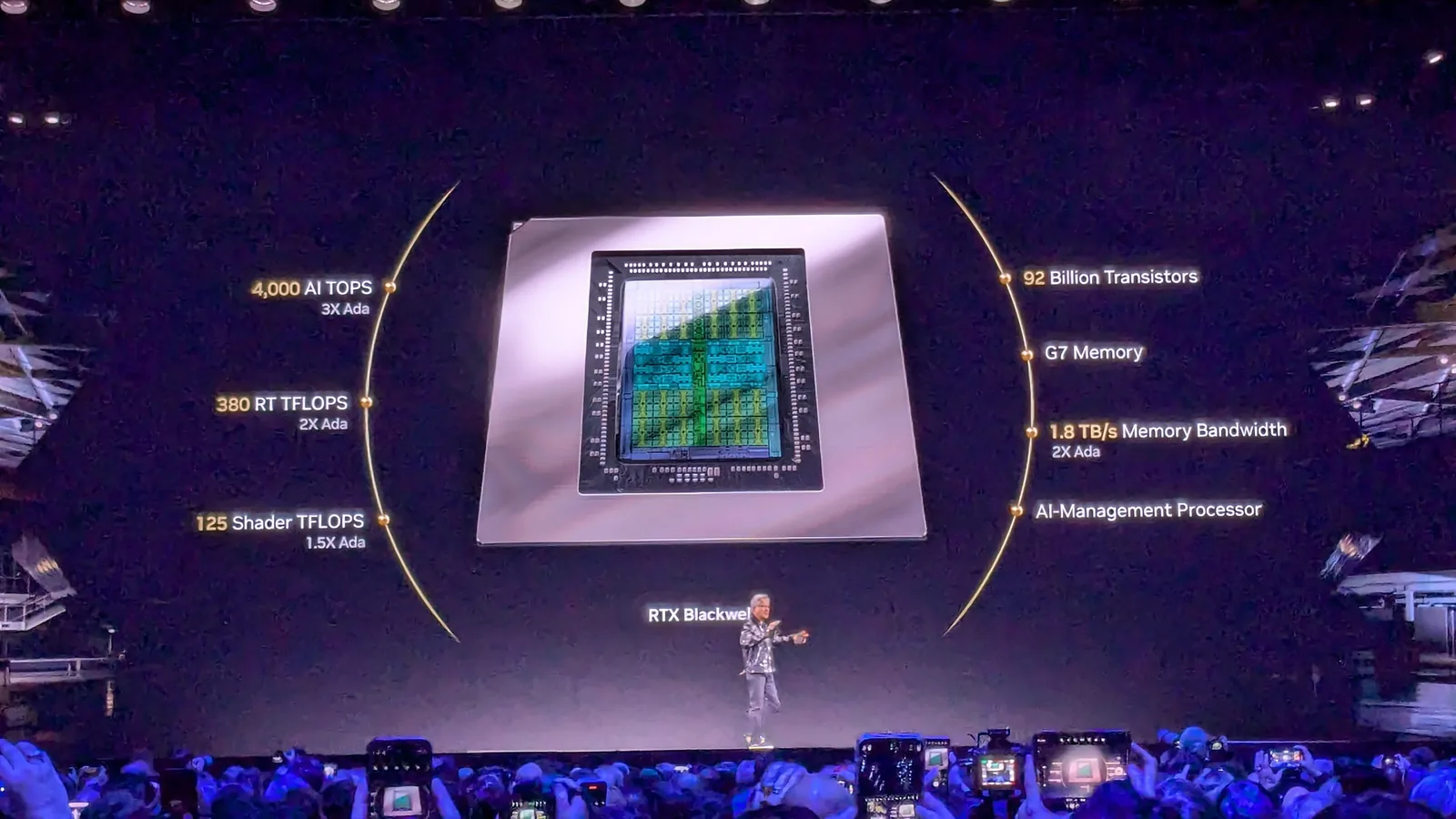
Nvidia has asked its manufacturing partners to halt shipments of servers that contain its artificial intelligence chips to Malaysia, Singapore, Thailand and Indonesia. On Thursday 26 November 2026, The National reported, citing the Financial Times, that manufacturers including Dell and Supermicro had told customers in those countries that Nvidia would not authorise their orders to be shipped. The Decoder carried the same account, citing the newspaper and three people familiar with the matter.
Key takeaways
- On 26 November 2026, The National and The Decoder, citing the Financial Times, reported that Nvidia asked manufacturing partners including Dell and Supermicro to halt AI server shipments to Malaysia, Singapore, Thailand and Indonesia.
- Both desks said it is unclear whether the halt is temporary, while Nvidia and its partners work out how to comply with new US export rules.
- Both reported a cloud-provider executive as saying operators have 90 days to apply for a licence, and that the situation is “causing sheer chaos in the region.”
Both desks said it remains unclear whether the halt is temporary, as Nvidia and its partners seek to comply with new US export rules.
The move follows new rules introduced last week by the US Commerce Department, aimed at stopping Chinese companies from bypassing restrictions on advanced chips by renting computing power from cloud providers in third countries, The National and The Decoder reported. On 16 November 2026 the Bureau of Industry and Security published an interim final rule on remote access to advanced semiconductors.
The National said the four countries had become favoured destinations for Chinese AI developers seeking Nvidia’s most advanced chips, whose export Washington restricts. Citing the Financial Times and company accounts, it said Nvidia recorded 104 billion dollars of revenue through its Singapore subsidiary in 2025, a 72 percent increase from a year earlier, and that some of its Taiwan and China revenue is also recorded through that unit.
The National, citing the Financial Times, quoted a cloud-provider executive:
“There's this new rule but no guidance on execution. No one knows how to apply for this licence while the 90-day clock is ticking. It's causing sheer chaos in the region.”
The Decoder said cloud providers have 90 days to apply for a licence and show that restricted companies are not among their end users. Citing the Financial Times, it reported that banks had halted about 500 million dollars in loans to Singapore-based cloud provider Aolani, which had planned to rent computing power to TikTok’s owner ByteDance, and that the deal could fall through. The Decoder said Nvidia declined to comment, and that Dell, Supermicro, ByteDance and Aolani did not respond to requests for comment.
Why it matters for the Gulf
The halt reported today covers Malaysia, Singapore, Thailand and Indonesia, and does not name any Gulf country, according to The National and The Decoder. In its 16 November 2026 rule, the Bureau of Industry and Security adds a destination licence list of Indonesia, Malaysia, Singapore, Thailand and Brazil, which does not include the UAE, Saudi Arabia, Qatar, Kuwait, Bahrain or Oman. A separate paragraph in the text excludes the UAE from one worldwide licensing change, to the extent of a 14 July 2026 rule, and does not remove the remote-access control on advanced chips. As of publication, the sources reviewed for this report carried no comment from a Gulf company or regulator on the shipment halt reported today.